WHAT
U.S. Centers for Disease Control and Prevention defines aging in place as “the ability to live in one’s own home and community safely, independently, and comfortably regardless of age, income or ability level.”
It’s a concept that older adults may embrace as a way of remaining within a familiar environment that allows them to maintain routines with which they are comfortable. It is also viewed as enhancing their ability to maintain independence. A study by the University of Southern California reported that nearly 90% of adults ages 65 and over wish to remain within their homes rather than move into a senior living community, whether it’s independent living, assisted living, memory care, or skilled nursing.
WHY
Financial Benefits
Financially, aging in place can be beneficial to seniors. Approximately 20% of Americans ages 65+ own their own homes and do not have monthly mortgage payments. Others may determine that they are able to convert equity in their home into income through the Federal Housing Administration’s Home Equity Conversion Mortgage.
Retirement communities are often thought to be more expensive. While considering that perception, it’s essential to take into account all of the expenses that might be covered in the price of a senior living community, i.e., meals, maintenance, utilities, etc.
Familiarity
There is comfort in the familiar. This is especially true for older adults who have lived in their homes for years or even decades. Not only do they know their house: its layout, quirks, squeaks and banging pipes, but they are also familiar and comfortable. The same is true with the neighborhood: the grocery store, the doctor’s office, and the kid next door who will shovel your walk. This familiarity provides comfort, but it also provides a sense of security.
Independence
Adults, especially older adults, treasure their independence and control over their lives. They want to make choices for their meals, their activities, and where they go and when. There is the (mis)conception that they may lose their independence if they live somewhere other than their homes.
HOW TO MAKE IT WORK
Plan Ahead
The National Poll on Healthy Aging reported that while most older adults want to age in place, the majority of them have not prepared for that.
Forbes makes this very important, very valid recommendation for seniors: from the time you turn 65, have a plan. The following areas are especially important.
Home safety and modifications
In order to remain safely within their homes, needed modifications and services should be identified and dealt with well in advance. Not having a lot of stairs does not do the trick on its own. There are thresholds, narrow hallways, poor lighting, an absence of grab bars, high counters, and other features that need to be corrected in order to make the home safe and functional.
The National Poll on Healthy Aging report went on to say that of those older adults surveyed, only 15% had given significant or adequate consideration to how the home might need to be modified, and 47% had given little or no thought. The National Institute on Aging has identified some home safety guidelines.
o Make it an immediate priority to identify expert resources and how you can access them
o The National Association of Home Builders has an Aging-In-Place Specialist Certification
o Have someone identified to help with routine maintenance and upkeep
Transportation
Identify future transportation assistance in the event that you become unable to drive, either temporarily or permanently. If your partner or spouse is the designated driver, plan ahead for their possible limitations in the future as well and how that will impact you both. Being confined to your home because of this challenge would be extremely detrimental to your independence and well-being.
Caregiving and assistance
48% of the respondents to the above-mentioned poll indicated they do not have anyone in their lives to help them. Have a plan in place for who you will contact should you need assistance. This could mean help with grocery shopping or getting to doctors’ appointments, or help with activities of daily living such as medication reminders, dressing, hygiene, etc.
If you will need a regularly scheduled permanent caregiver, identify in advance who you might use. Keep in mind that caregiving can be expensive, and caregivers are difficult to find.
Social networking
Remaining within one’s home can be isolating, especially if mobility and the ability to drive decline. Friendship, camaraderie, and social interaction are vital for one’s well-being. Investigate ways of staying in touch and engaged through groups, classes, programming, and technology.
Stay fit
If you’re fit now, be sure to exercise and stay fit to remain that way.
If you’re not fit, become so now. Either way, you want to be at your optimal fitness level in order to stay on top of your ability to age in place and all of the responsibilities that come with it.
Preparation Makes All the Difference in Aging in Place
Aging in place offers comfort, independence, and familiarity, but it also comes with real challenges that require forethought and support. By addressing safety, caregiving, transportation, and social connections early, older adults can better position themselves to thrive at home. With preparation, aging in place can be not just a hope, but a safe and sustainable reality.
October 9, 2025
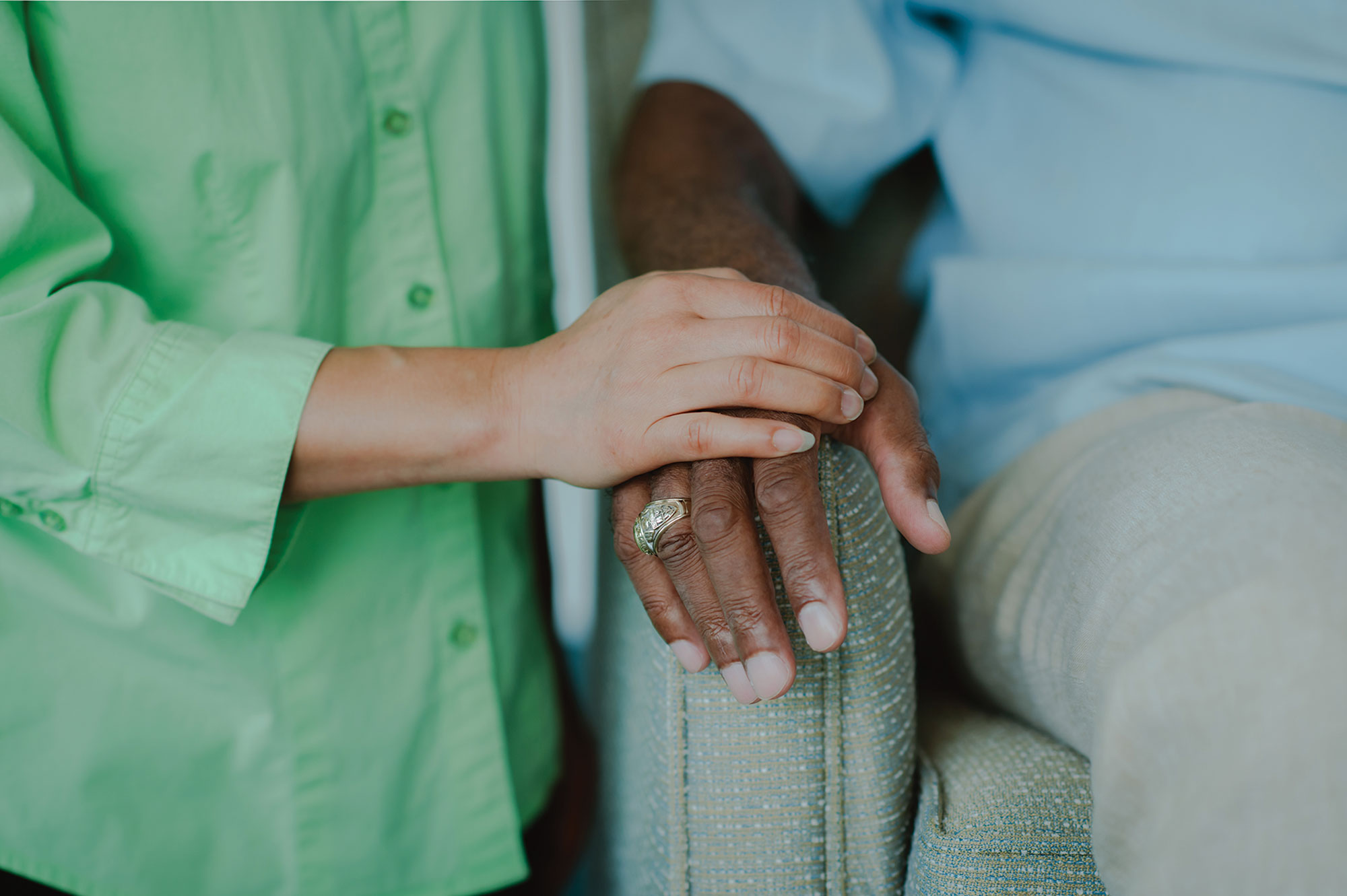
WHAT U.S. Centers for Disease Control and Prevention defines aging in place as “the ability to live in one’s own home and community safely, independently, and comfortably regardless of age, income or ability level.” It’s a concept that older adults may embrace as a way of remaining within a familiar environment that allows them to . . . Read More
Technology is constantly evolving. When used by seniors, technology can be transformative in helping anyone who wants to live more independently and stay healthy in both mind and body. Wearable health monitors, user-friendly communication devices and medical appointments with a physician over a phone or computer are just a few of the many technologies that . . . Read More

Every year, millions of older Americans become victims of some type of financial fraud. It’s a massive problem, with the FBI estimating that seniors lose more than $3 billion each year due to fraud. The National Council on Aging reports that 101,068 people over the age of 60 were victimized by scams in 2023, which . . . Read More
Older adults face many transitions as the years go by, not the least of which is going from working in a job or career to retirement, a change that opens a new phase of life and which, nonetheless, can be a significant and challenging time for seniors. Retirement eliminates work stresses but also brings other . . . Read More

Keeping mentally and emotionally healthy is crucial for older adults who face unique challenges as the years accrue. Transitioning to retirement, coping with the loss of loved ones, or making a change to living in a senior living community are just a few examples. With good mental health, older adults are better equipped to cope . . . Read More

While the average life expectancy for males in the U.S. is 74.8 years and 80.2 years for females, more Americans than ever before are living to the age of 100 or older. One study finds that one of every 5,000 people in the U.S. is a centenarian. While genetics plays a role in how long . . . Read More
“By failing to prepare, you are preparing to fail.” -Benjamin Franklin Planning ahead with the right legal documents is one of the most important steps older adults can take to protect themselves, their loved ones, and their estates. Having these documents prepared before they are needed brings peace of mind, ensures wishes are respected, and . . . Read More
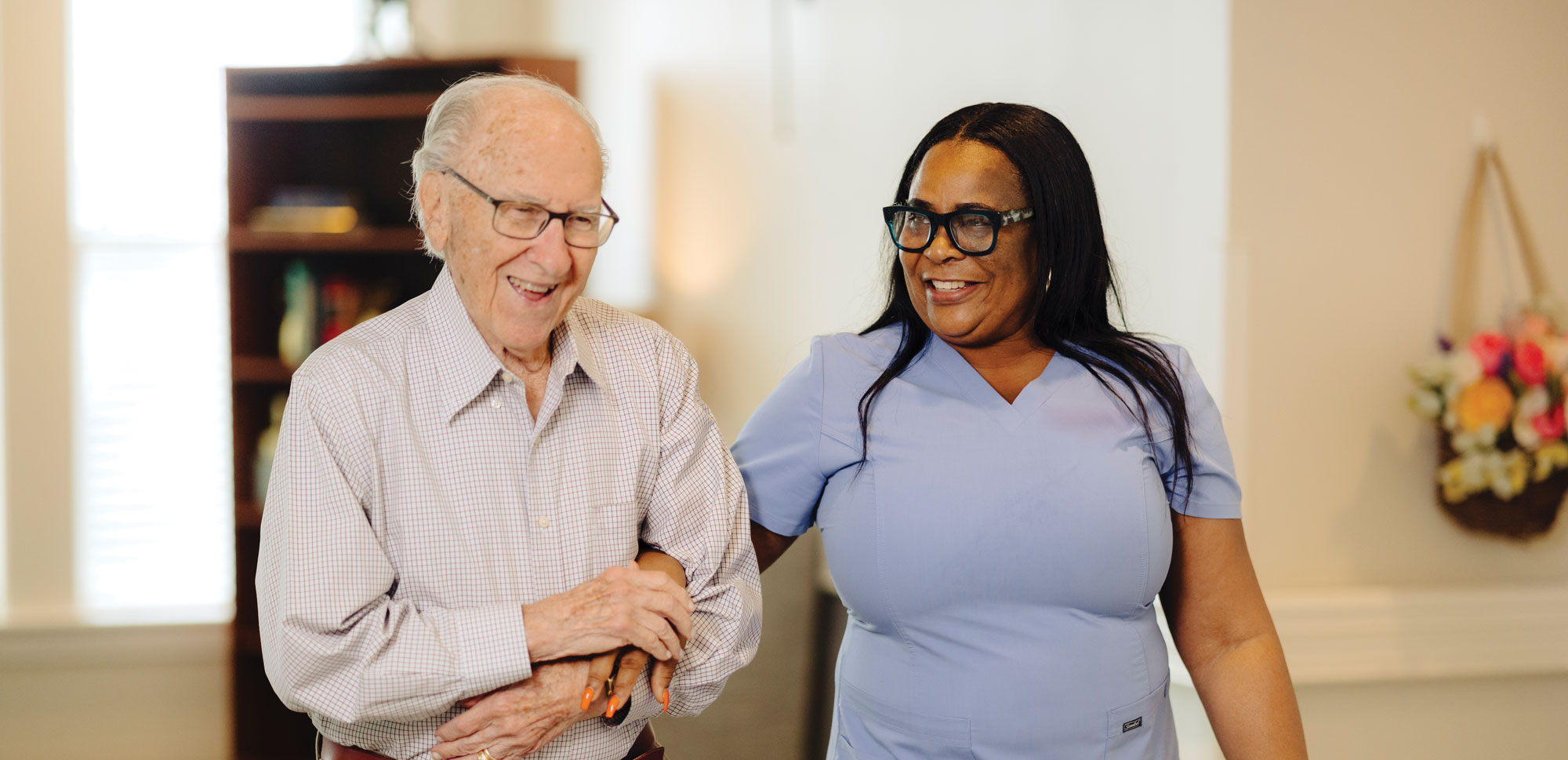
“Blindness cuts us off from things, but deafness cuts us off from people.”— Helen Keller Hearing loss affects nearly 50 million Americans, including almost half of those over age 75. Yet about 15 million people with hearing loss in the U.S. do not seek help. Hearing loss goes beyond turning up the radio or asking . . . Read More
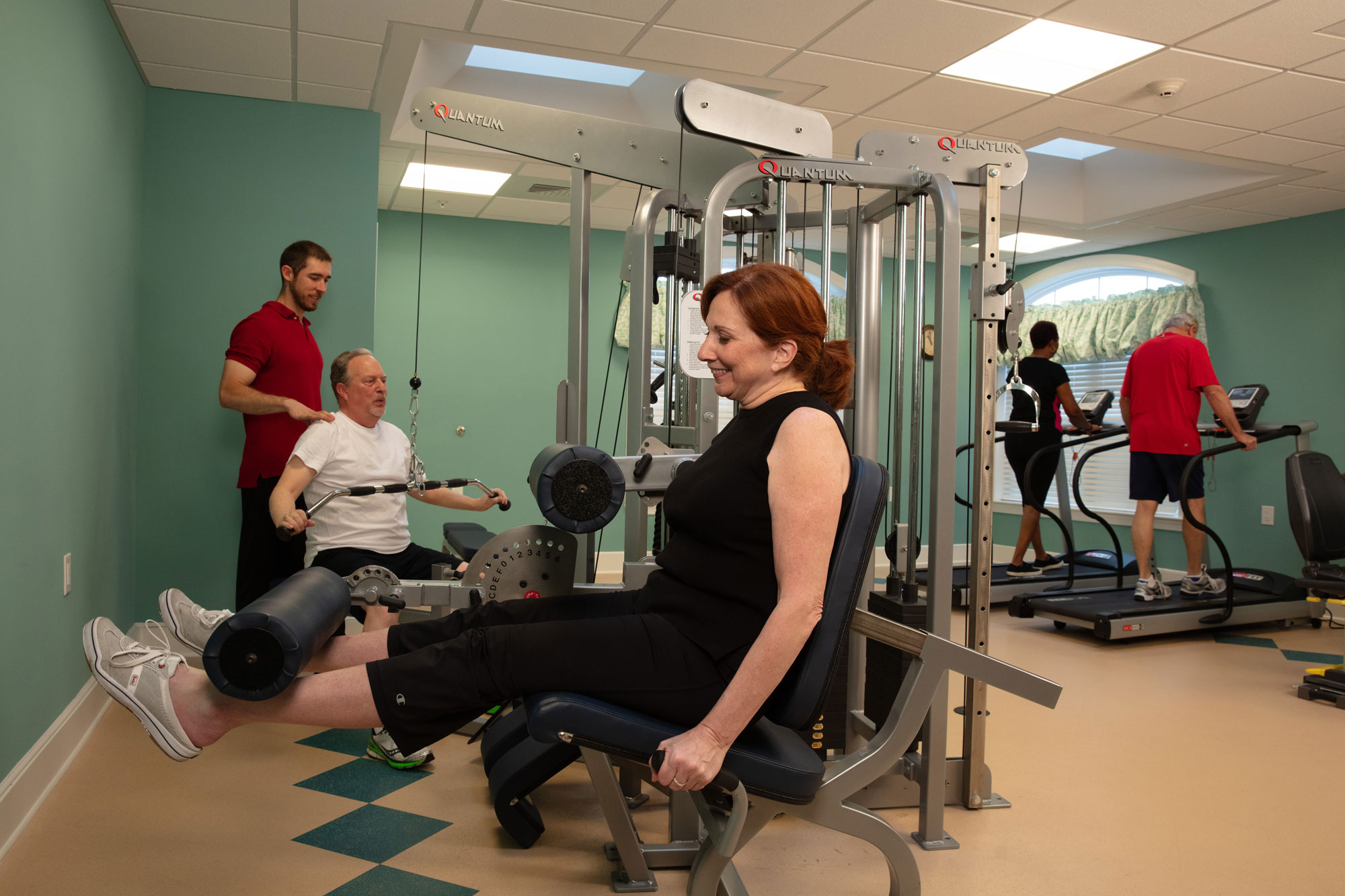
What is functional fitness? Accomplishing the tasks of daily life—lifting and carrying grocery bags, bending to tie shoes, or getting in and out of a chair, for instance, requires what is called functional fitness, an approach to exercise that emphasizes building strength, flexibility, balance and endurance. Mayo Clinic describes functional fitness as focusing on core . . . Read More
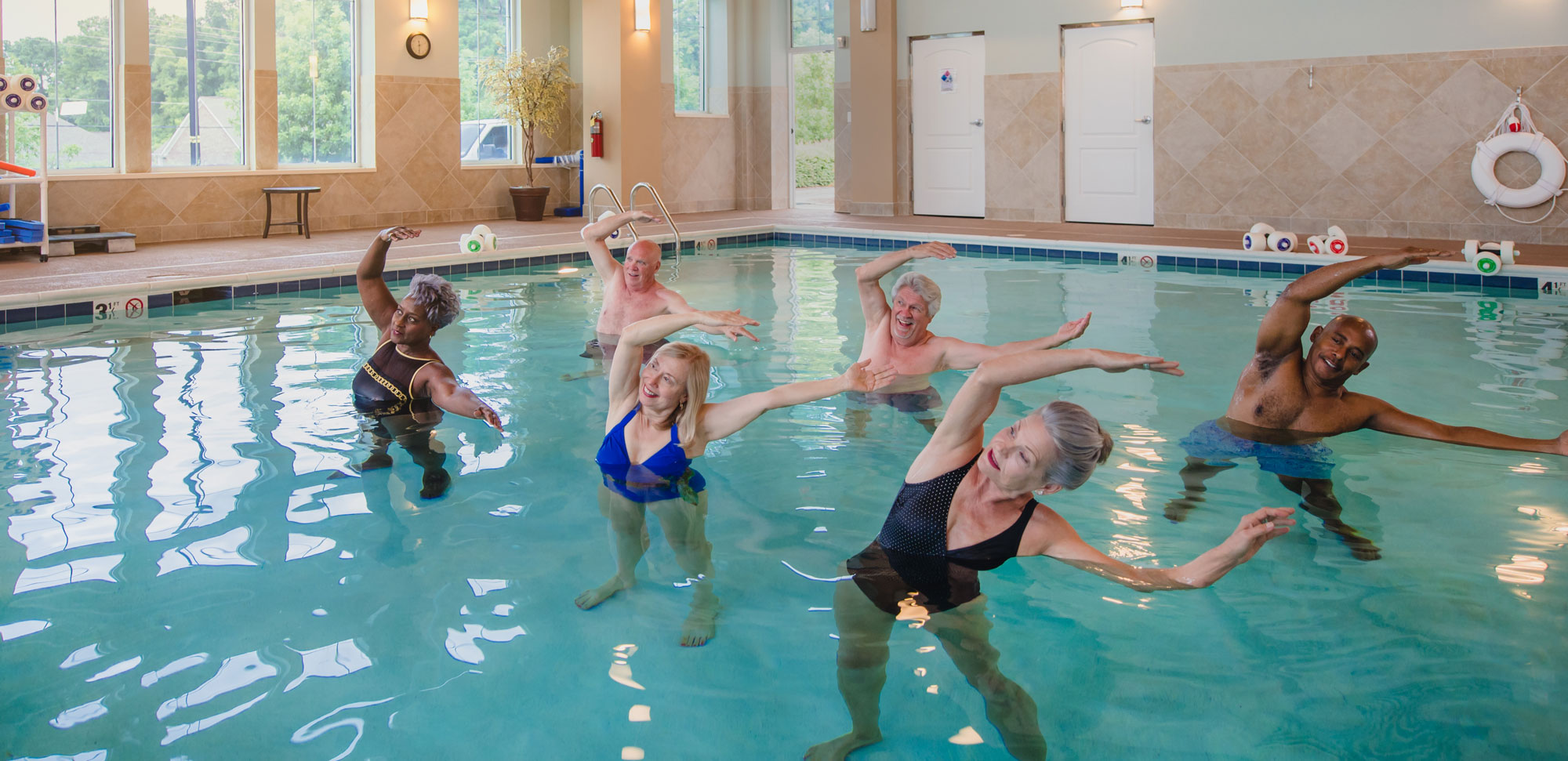
“Stay independent—don’t let a fall be your downfall.”— Centers for Disease Control and Prevention A fall can happen in an instant…a missed step, a slippery floor, or poor lighting. But the consequences can be serious. According to the Centers for Disease Control and Prevention (CDC), falls are the leading cause of injury and injury-related death . . . Read More